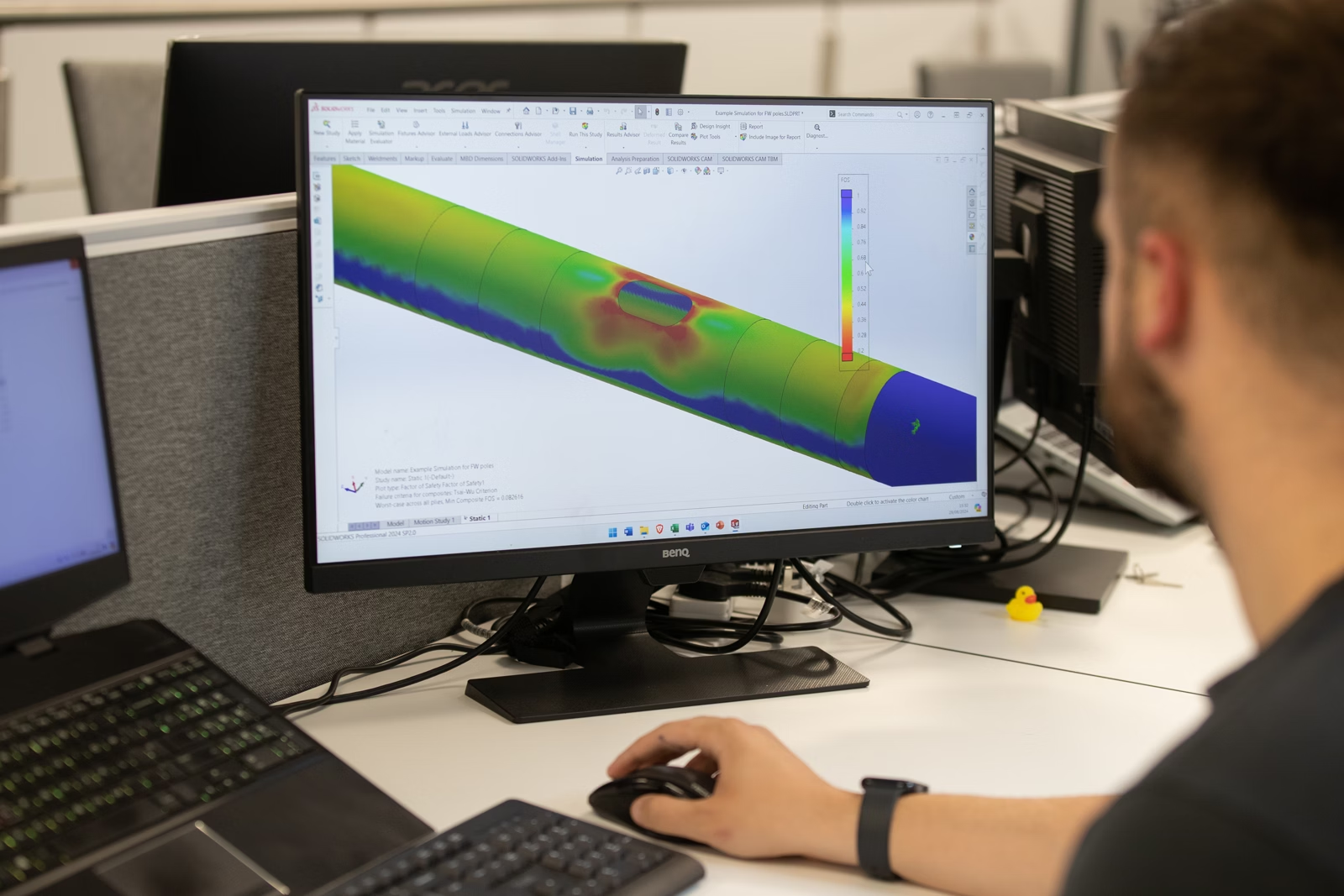
Quantis Testing Services provides world-class advisory and testing services for the characterisation of advanced materials for uses in energy, infrastructure, automotive, aerospace and general engineering sectors.

Quantis engineers have decades of applied industry experience of running innovative custom test programmes and developing testing methods for non-standard engineering applications across a host of sectors.

Traditional testing facilities typically run standardised ISO and ASTM tests at high volumes. Quantis takes a different approach.
We specialise in bespoke, tailored, non-standard testing programmes - working with you to develop specific methodologies, unique test rigs, and engineered outcomes.
It means Quantis can meet your unique material needs through niche testing across hydrogen permeation and exposure, high-pressure pipe test, mechanical testing and more - as well as providing an exploratory characterisation ahead of full qualification.
Quantis specialises in custom testing of materials and components for world-class companies. We also provide a range of standard testing services.
Each of our services is engineer-led. Our tailored testing is designed specifically for your custom requirements and methodologies delivering direct technical inputs.

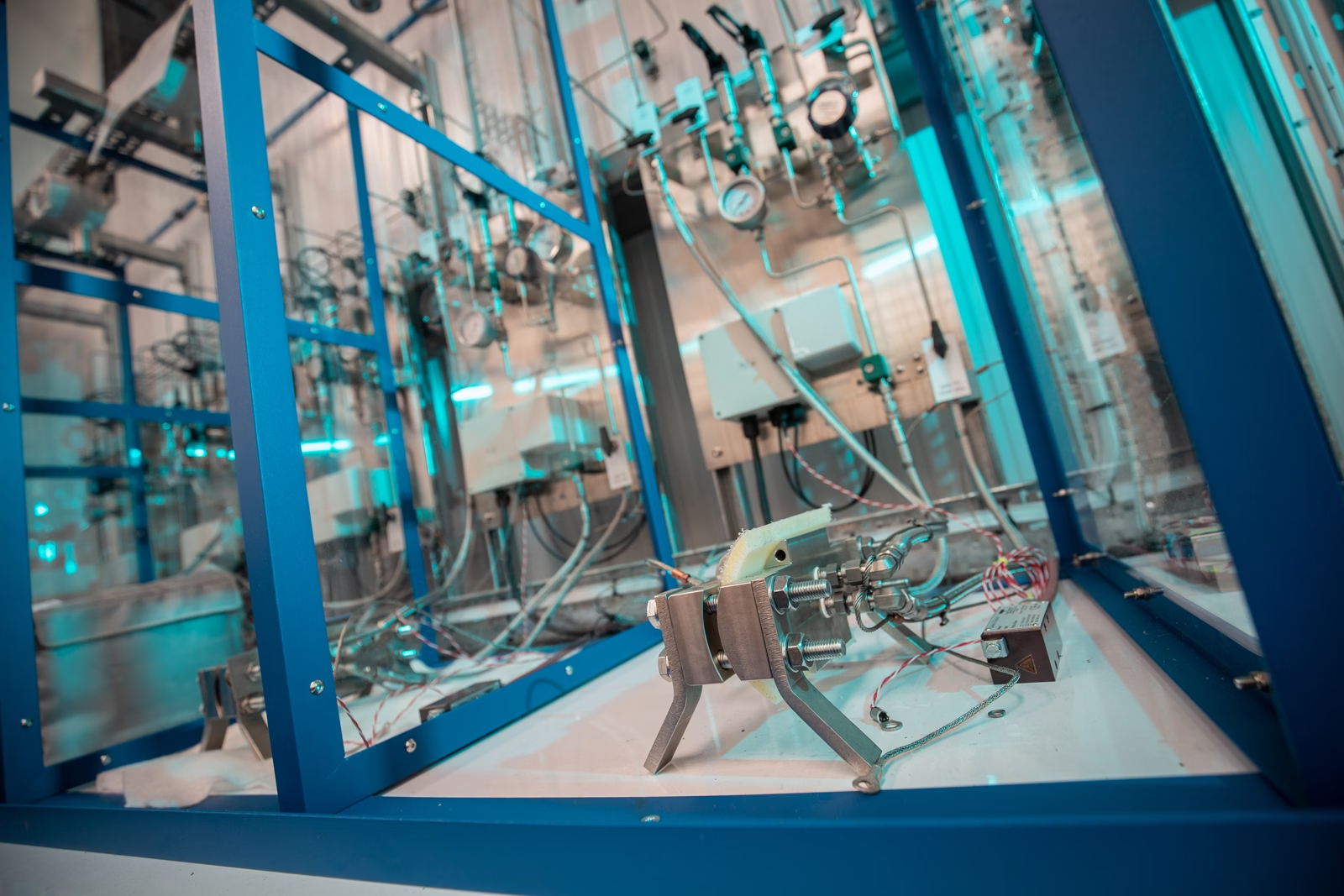
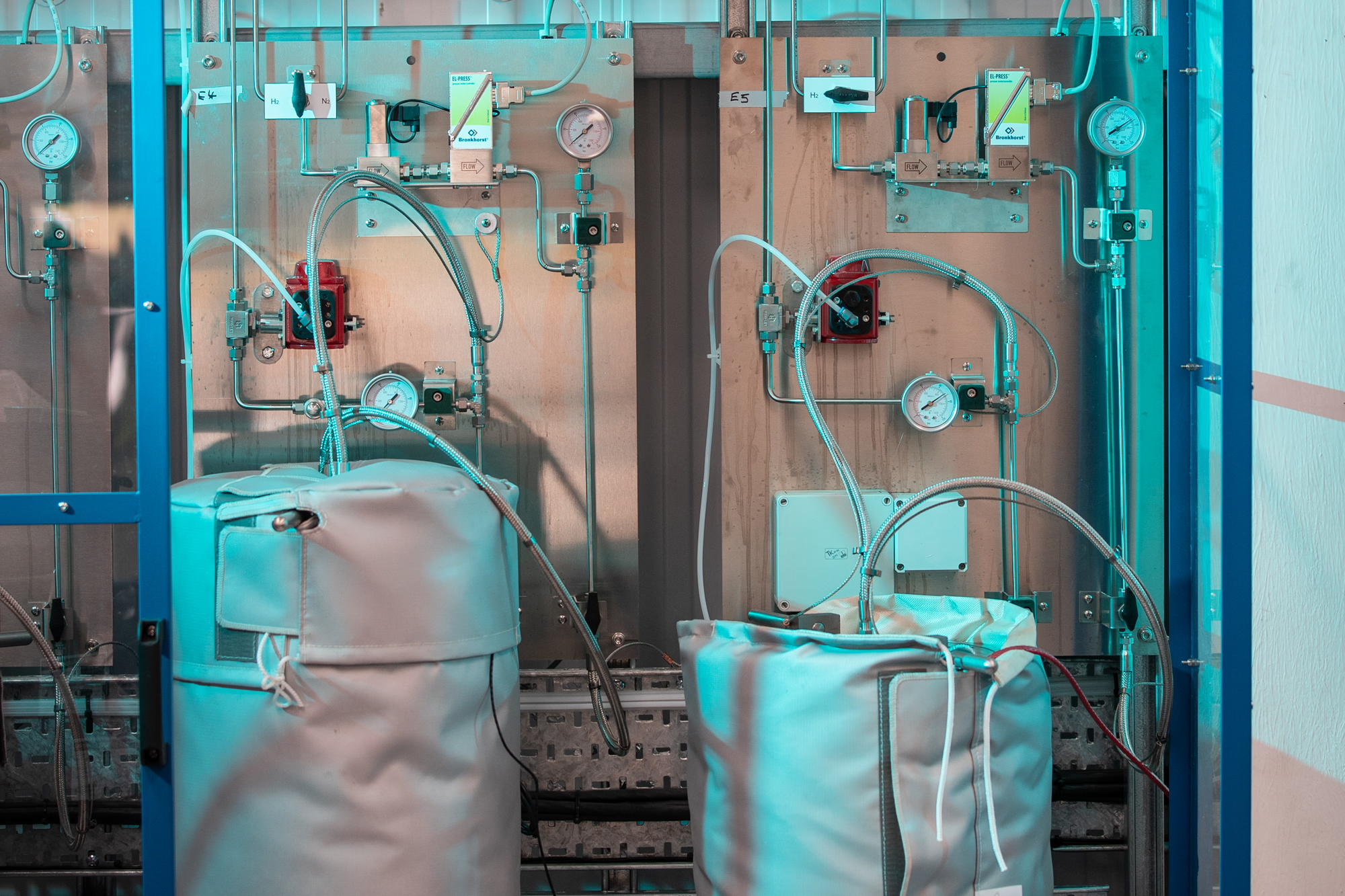
Our custom-designed hydrogen testing facility is uniquely configured to test polymer liners and composite materials in hydrogen environments.
We can test pipeline materials, pressure vessels and components up to 100 bar and 80°C. Other temperatures can also be considered.

Our bespoke testing facility is configured to test polymer and composite materials and components for rapid gas decompression in hydrogen environments – and can be reconfigured for other media.

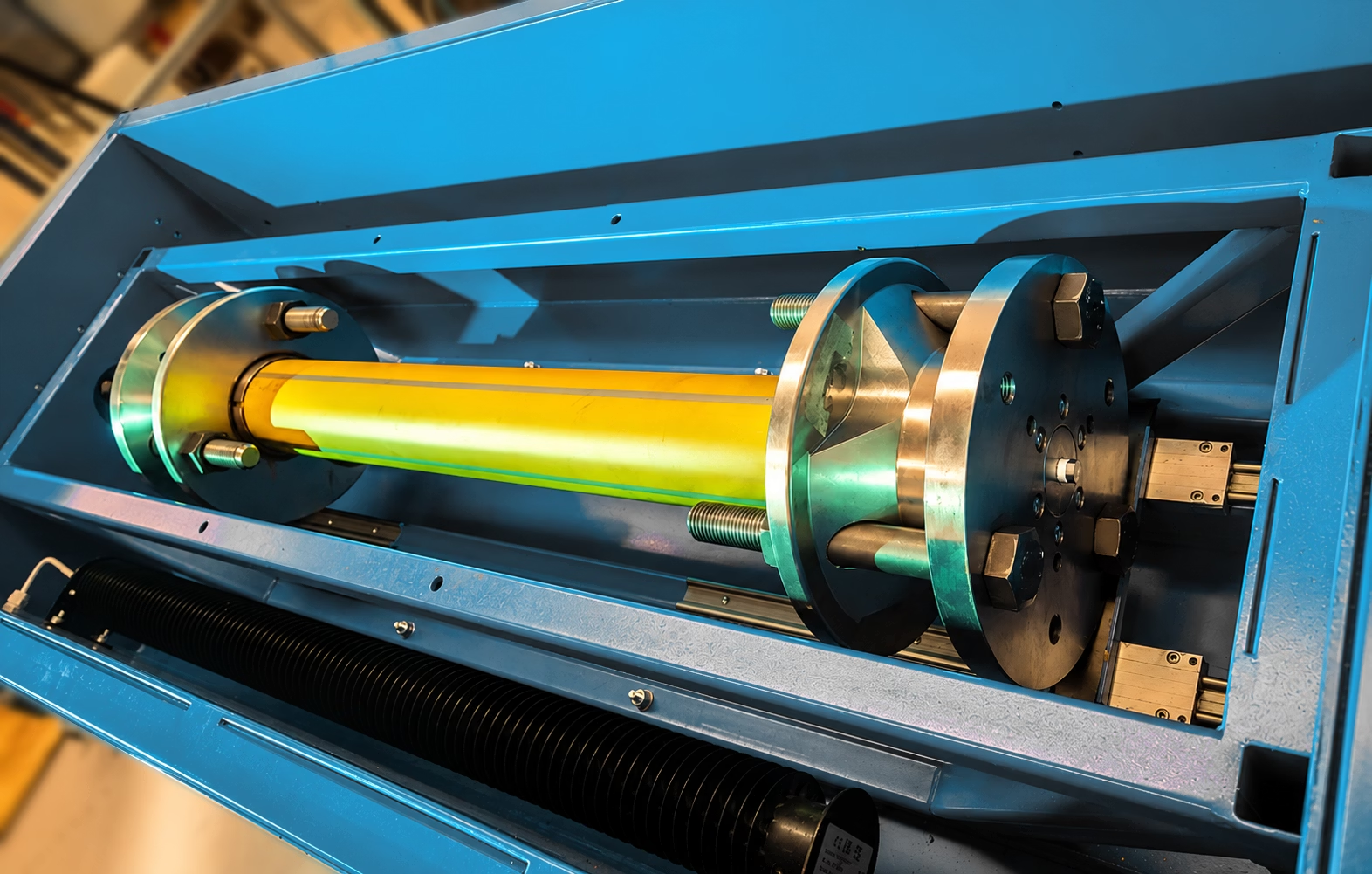
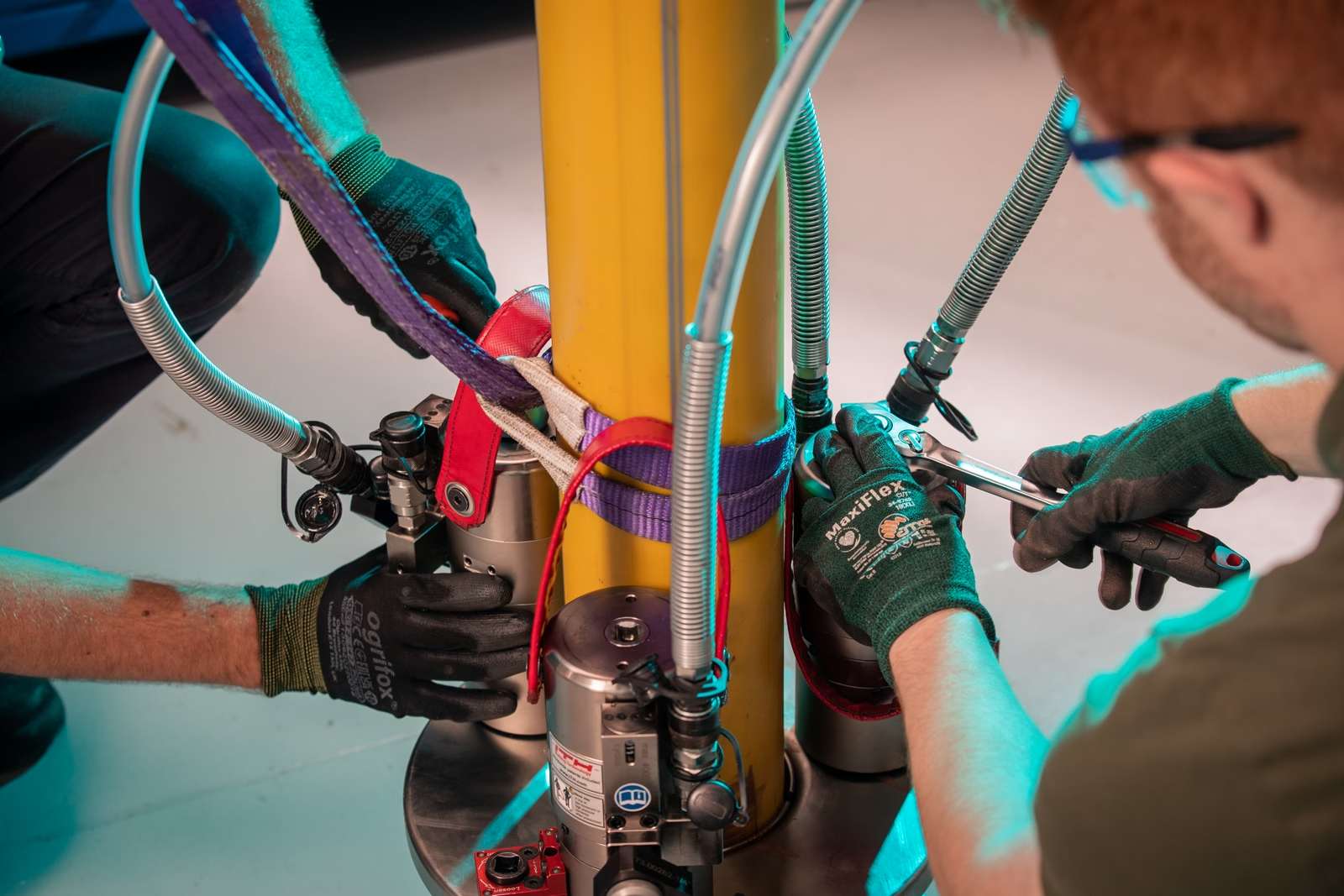
Our pressure testing covers burst, static/regression and cyclic pressure for applications including composite pipes (TCP), pressure vessels, and industrial components.
We are experienced in building one-off custom test fixtures for non-standard geometries.

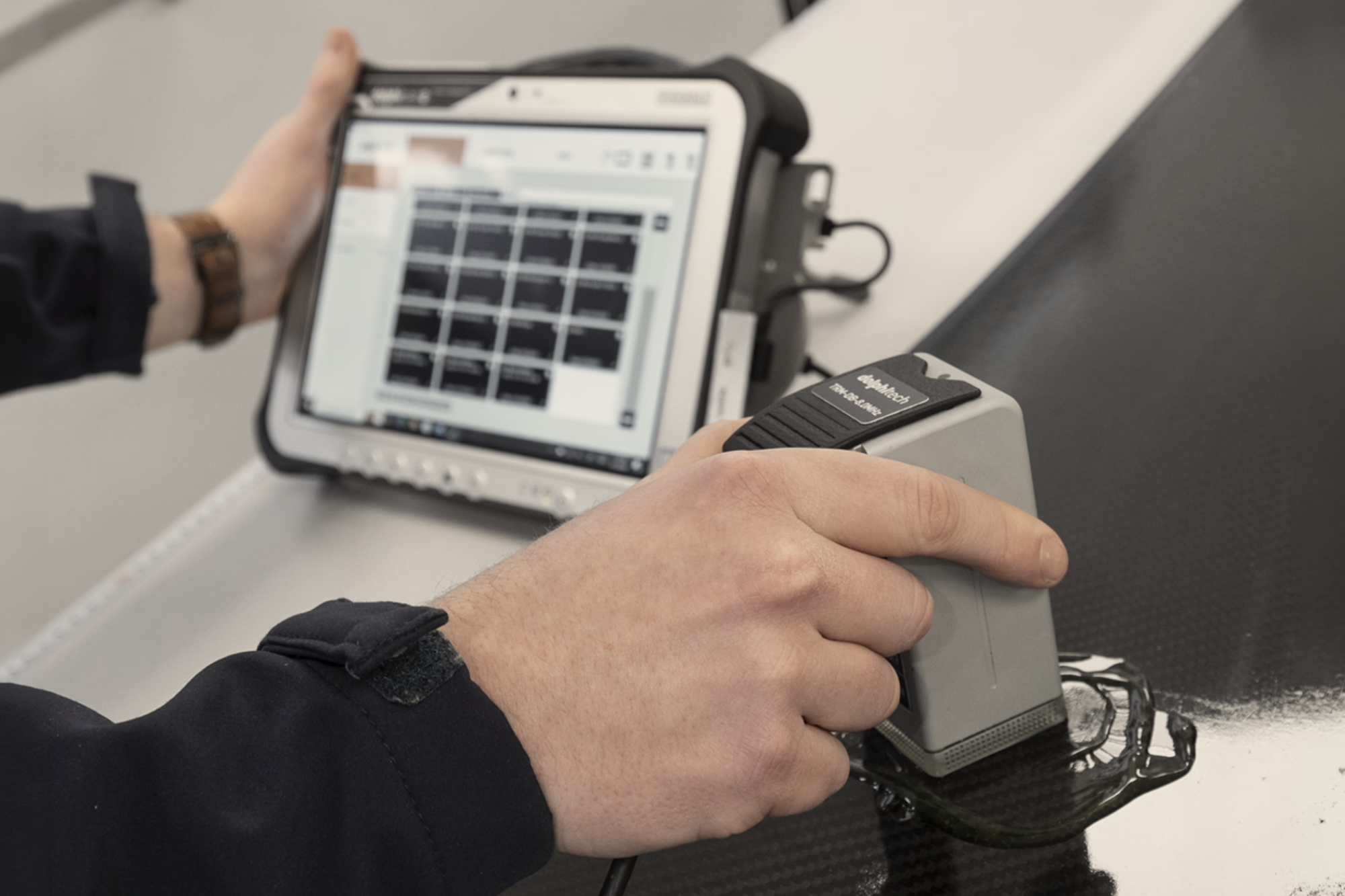
Our ultrasonic scanning equipment enables test coupons and structures to be evaluated for voids, delaminations and general structural integrity.
It works across carbon fibre, glass fibre, and thermoplastic composites.

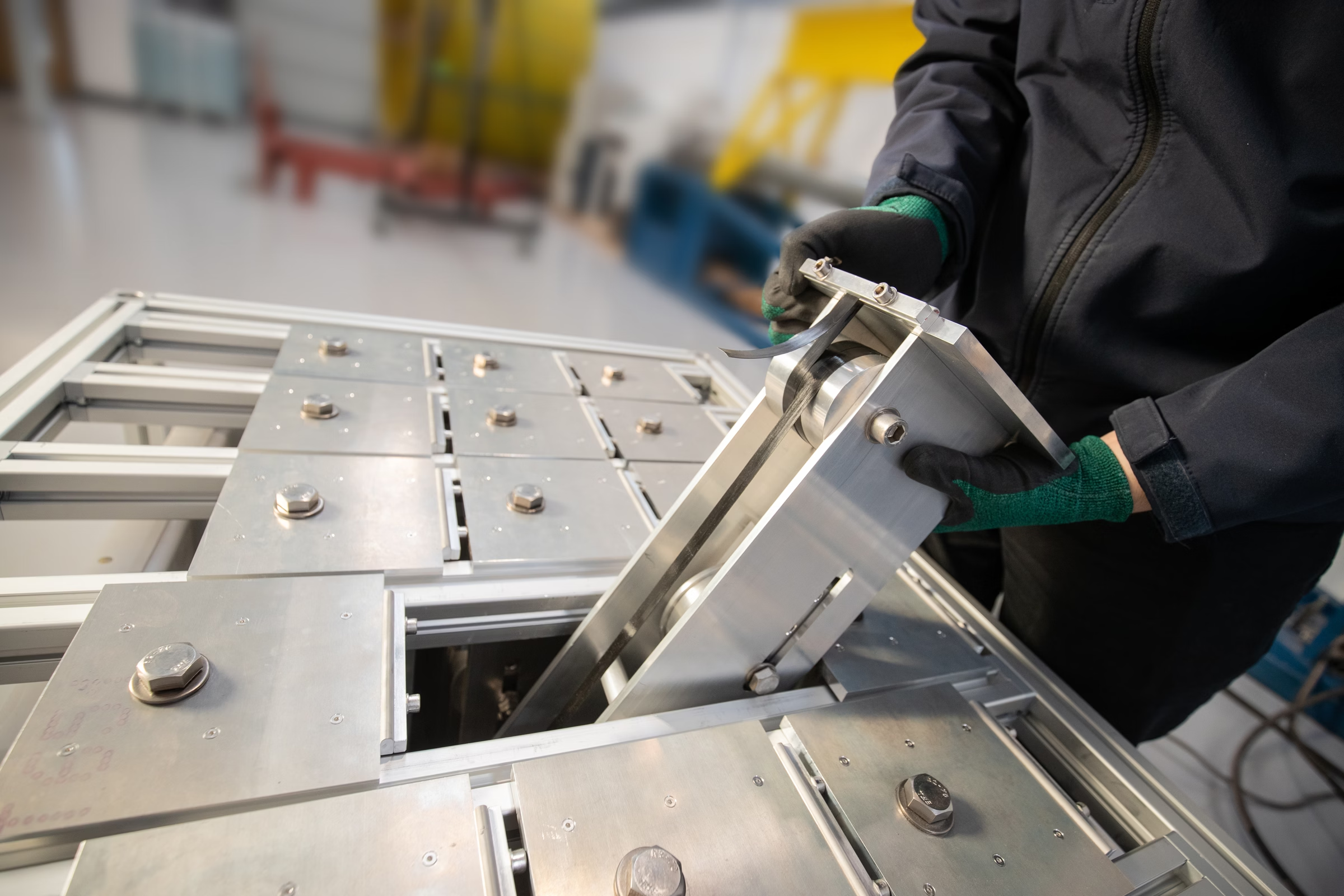
Our tape testing facility can UD test tapes under constant strain and in various environments to provide regression and accelerated ageing data for all types of reinforced thermoplastic tapes.

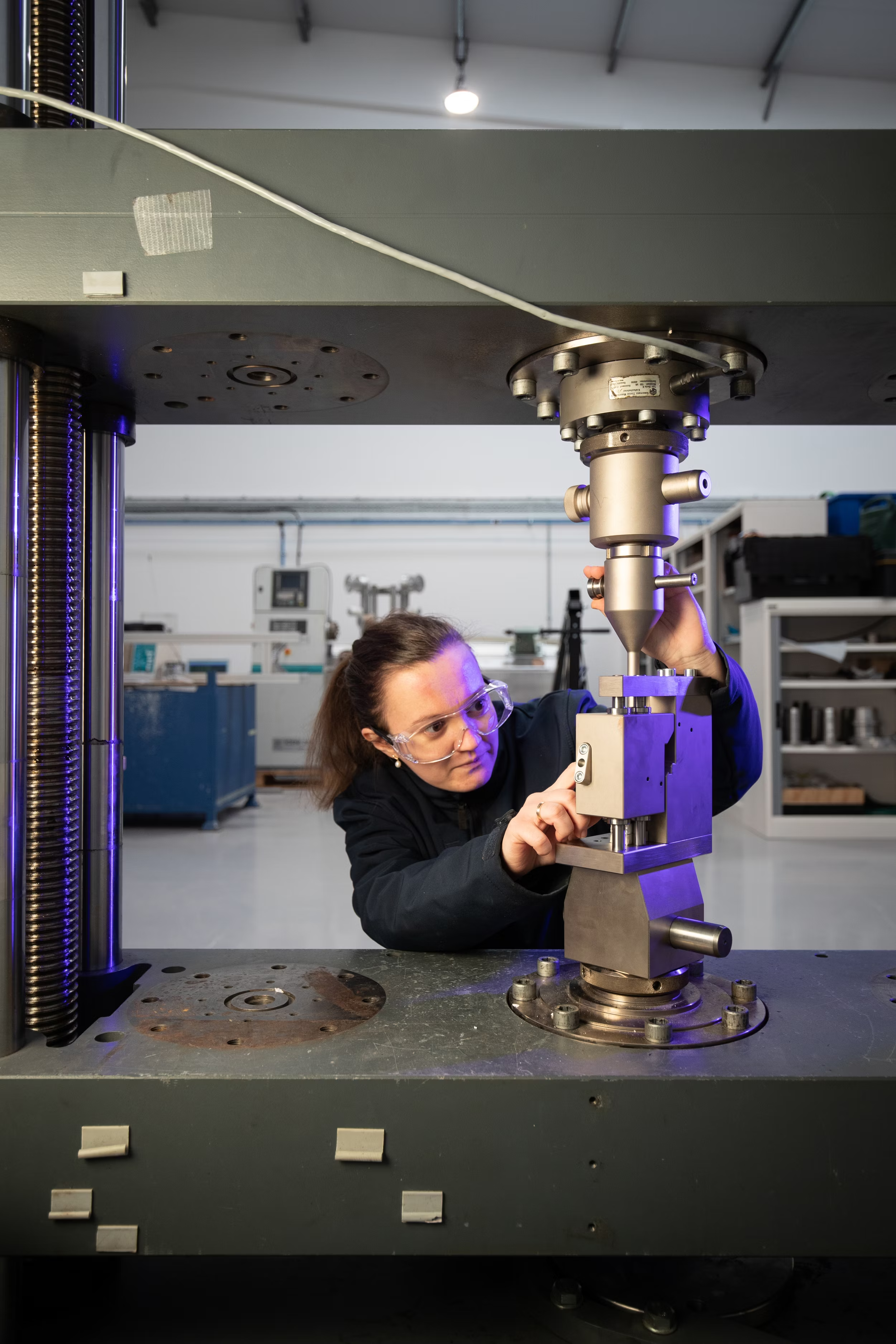
Our mechanical test rigs can be set up for unique component geometries, including testing material coupons and finished components.
We also design and build specialist test frames for bespoke product & component tests.

Our accelerated ageing facility can expose polymer and composite materials to a variety of environments including hydrogen to evaluate the long-term performance properties. Gas exposures can be performed up to 100 bar.

Our bespoke drop-weight impact test facility can be used on coupons or components to evaluate their resistance to impact events. We also have Charpy impact facility for small coupon tests.


A consortium of oil and gas companies faced escalating corrosion costs from traditional steel pipelines for oil and gas operations. Over two decades, engineers from Quantis Testing Solutions systematically evaluated composite materials through rigorous exposure testing.
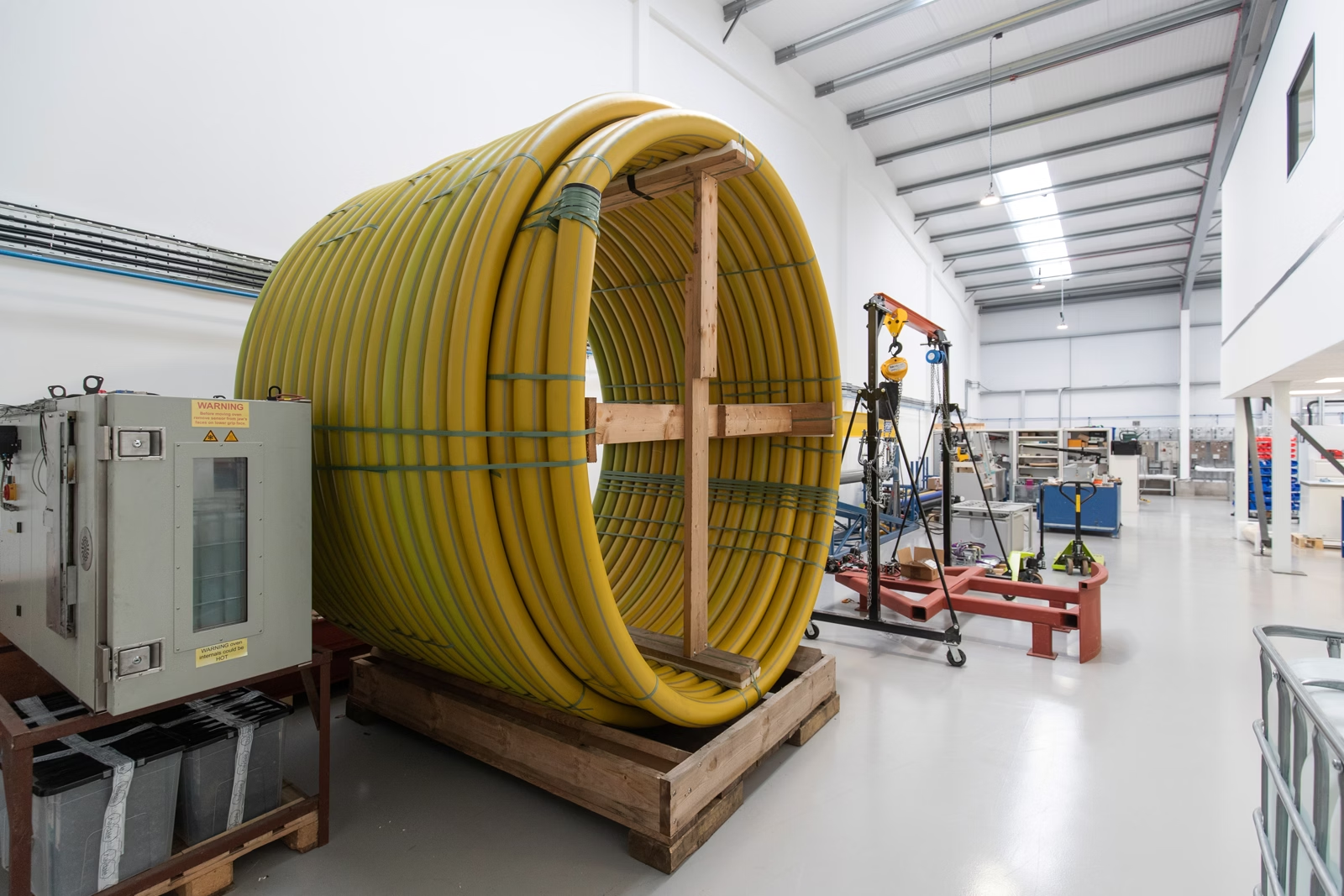
The collaboration progressed from materials assessment through process development with Hive Composites, ultimately creating the Thermoplastic Composite Pipeline (TCP): a spoolable, coilable innovation in pipeline logistics.
A recent project has developed spoolable pipes for hydrogen distribution, incorporating a hydrogen permeation barrier layer. Quantis performed all the accelerated ageing tests on liner and tape layers, performed the hydrogen permeation testing to prove the very low permeation characteristics and then tested the pipes at ambient and elevated temperatures, evaluating the short and long-term performance of the pipes to API15S and DNV F119 protocols. Quantis staff also managed the external hydrogen pipe tests at sites in the UK and Europe.
Every material and application is unique, so a one-size-fits-all test approach is often inadequate.
Bespoke testing enables us to replicate your exact service conditions and loading scenarios, giving you high-quality, decision-grade results that reduce risk and improve confidence in your designs.


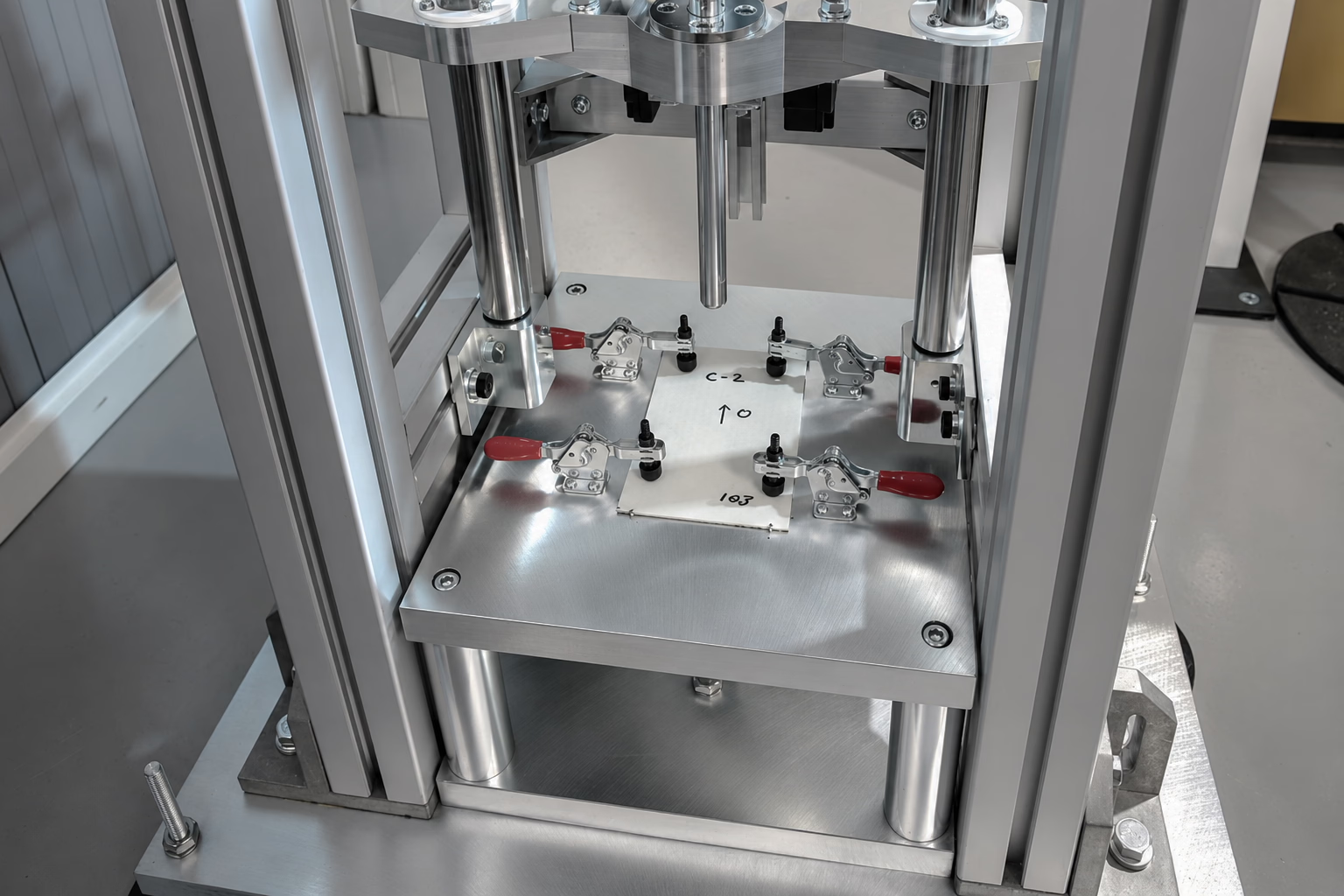
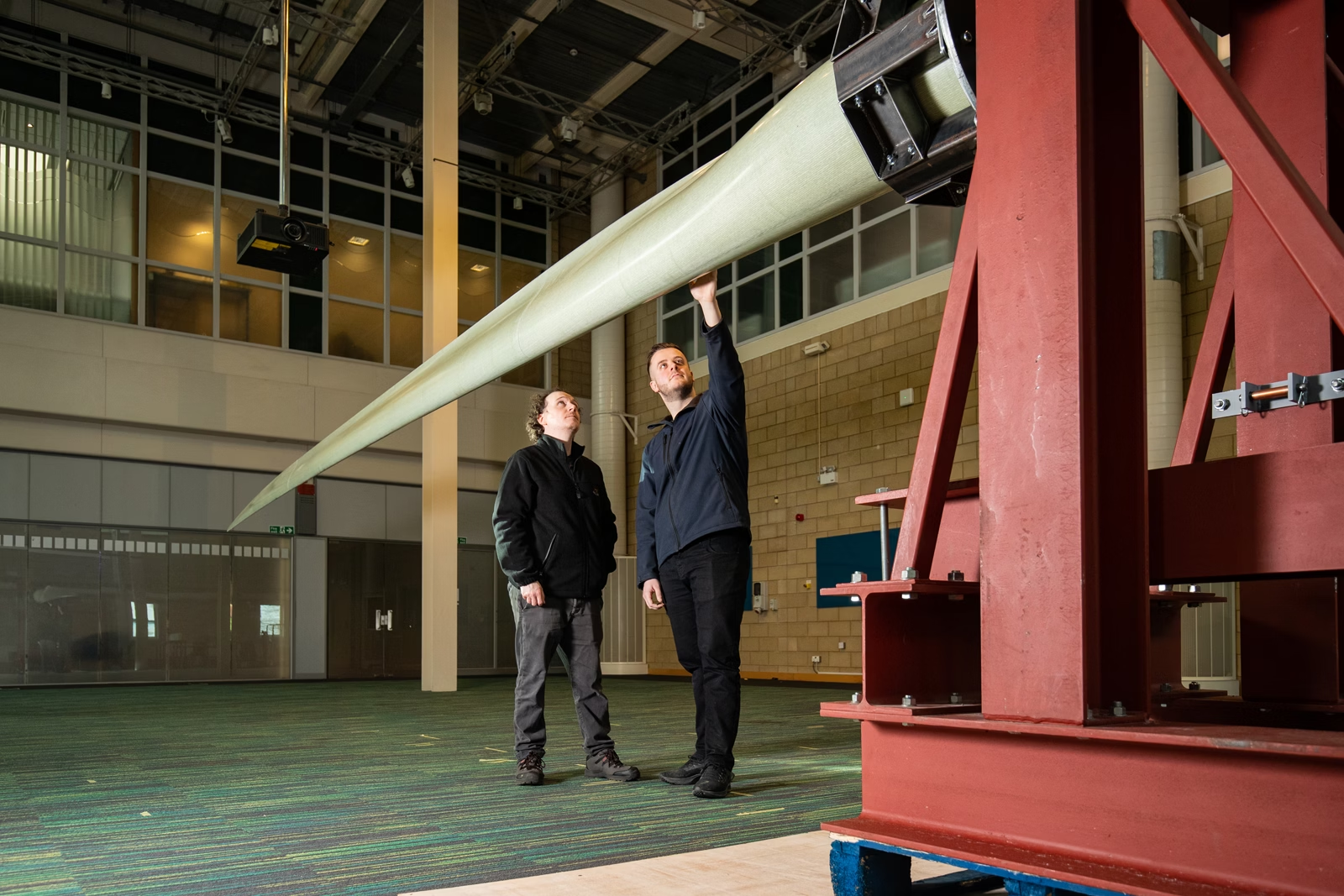
Advanced polymer world-leader Trelleborg required specialised RF testing for a wind turbine blade construction that fell outside standard testing protocols. It needed to validate product RF performance under specific orientations in a unique configuration.
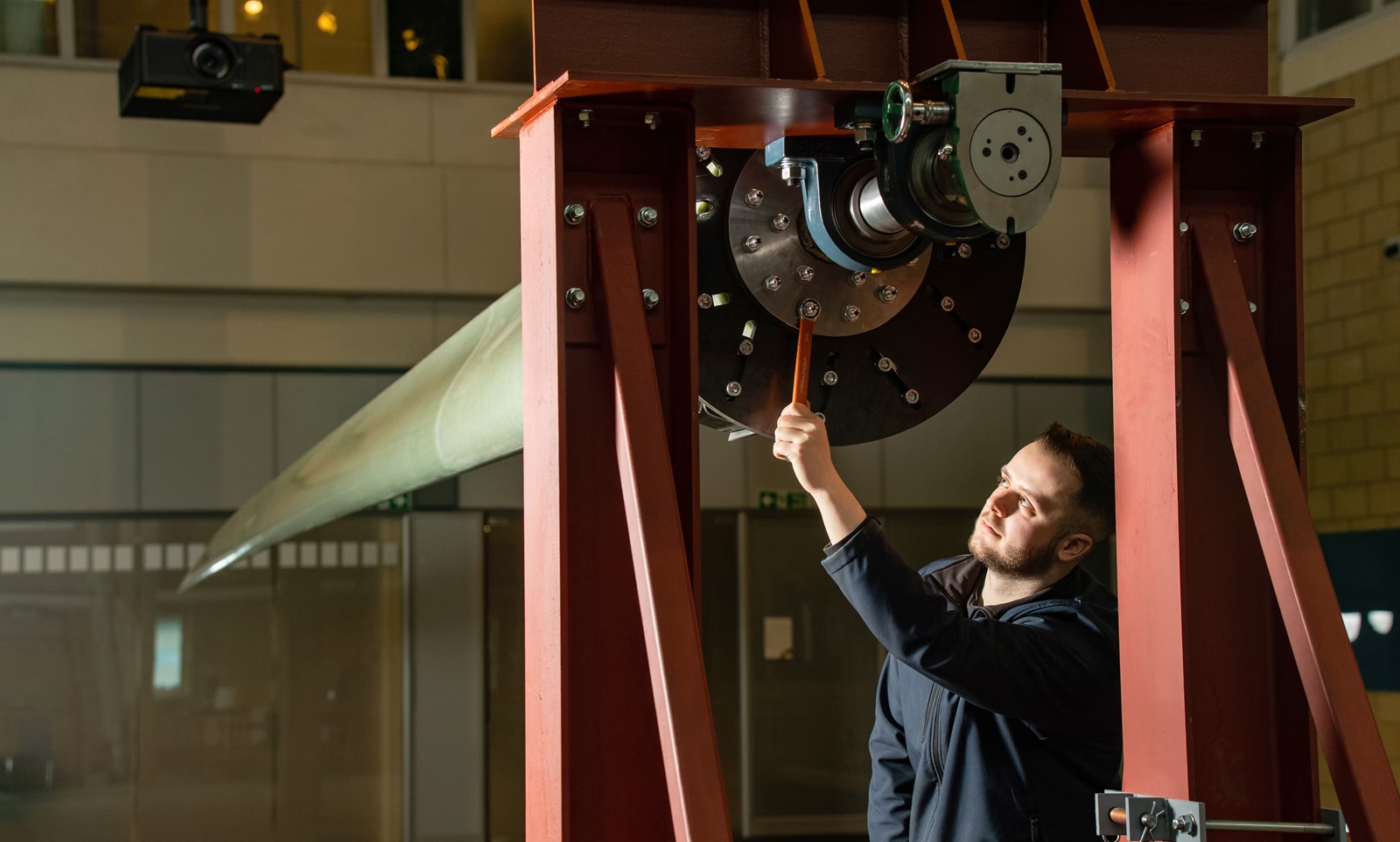
Rather than applying typical testing methodologies, the Quantis Testing Services team developed a custom approach tailored to Trelleborg's specific requirements. We partnered with Loughborough University to create space to build a unique rig - demonstrating our ability to work flexibly and across different locations.
Trelleborg gained validated test data for its specialised application - and confirmation of product performance under its exact use conditions.
Quantis Testing Services was founded in 2025 with the aim of providing world-leading bespoke materials testing services in highly specialised composite industries.
The company is part of Composites Innovation Group - offering an end-to-end research and commercialisation of advanced material solutions for aerospace, automotive, energy, and manufacturing industries.

Managing Director
Peter Hansen leads Quantis, bringing more than 30 years of experience in contract testing and R&D services. A Chartered Engineer (IMechE) with an MSc in Automotive Engineering, he began his career at the Materials Engineering Research Laboratory (MERL), working on polymers, elastomers, adhesives and composites for global OEMs and supply chains. Following MERL’s integration into Element Materials Technology, he became Sector Manager for Transport & Engineering at Element Hitchin.
Peter subsequently joined Haydale Composite Solutions as Head of Engineering, overseeing performance testing across mechanical, thermal and electrical properties, as well as long-term ageing and permeation. He also led the development of graphene- and CNT-enhanced materials across sectors including aerospace, automotive, rail, power generation and oil and gas.
Find answers to common questions about our testing capabilities, processes and how we support bespoke material development. If you cannot find what you need, our engineers are always available to help.
Why choose bespoke composites materials testing services?
Bespoke testing is performed because the behaviour of polymeric and composite materials and components depends strongly on formulation, processing, geometry and service environment. Standard test methods do not always produce design-relevant data. By tailoring test conditions, fixtures, and exposure profiles to real operating scenarios, you gain more accurate, decision-grade results for qualification, integrity assessment, and lifetime prediction.
How does hydrogen permeation testing work?
Quantis provides specialised hydrogen permeation testing, delivering bespoke test methods and controlled exposure programmes for polymeric and composite materials to generate accurate diffusion, permeability, and compatibility data under representative service conditions.
How do bespoke and standard testing differ?
Quantis focuses on bespoke, engineering-led test programmes rather than only routine standards-based testing. We design custom methods, fixtures, and exposure conditions for polymeric and composite materials - including hydrogen permeation, environmental conditioning, and coupled mechanical loading - to generate application-specific data that supports material qualification, integrity assessment, and real-world performance prediction.
What is exploratory testing in composite materials?
Quantis develops flexible, research-driven test programmes for polymeric and composite materials, allowing novel methods, custom rigs, and non-standard exposure or loading conditions to be used to investigate unknown behaviours, de-risk new designs, and generate early-stage performance data where no established standard test method exists.
What types of composite materials can be tested?
Quantis tests a wide range of composite materials, including fibre-reinforced polymer systems (such as carbon, glass, aramid, and basalt composites), thermoset and thermoplastic matrix composites, laminated and sandwich structures, filament-wound components, prepregs, moulded parts, and bonded assemblies. Test programmes are tailored for mechanical, environmental, and hydrogen exposure/permeation characterisation.
What is the typical turnaround time for composite testing?
Quantis’s typical project turnaround time depends on test complexity and conditioning requirements, but most bespoke polymer and composite testing programmes are completed within a few weeks. Faster turnaround is possible for simpler mechanical characterisation, with longer schedules for hydrogen exposure, permeation, or multi-environment campaigns that require extended stabilisation and monitoring periods.
Can components in hydrogen environments be tested at high pressure?
Quantis tests components and materials in high-pressure hydrogen environments up to 100bar, using controlled exposure and bespoke test setups to evaluate permeability, compatibility, mechanical performance, and integrity under representative service pressures and conditions.
How does Quantis maintain client confidentiality?
Our engineers are experienced in working on confidential projects with some of the world’s best-known brands and companies. We are confident in working under NDA and confidentiality agreements. This includes protecting the IP of our clients, as well as our own IP.
How should composite test specimens be machined?
Test specimens should be prepared using controlled, low-damage cutting and machining methods that preserve the true material structure and properties. This includes careful control of orientation, dimensions, edge quality, and thermal effects. For polymeric and composite materials this typically means diamond or waterjet cutting, conservative machining parameters, proper tabbing or drilling where required.
How are composite test results reported?
Quantis test reports can range from brief data plots to comprehensive reports with data interpretation. For more comprehensive reports, results are presented through clear, technically rigorous reports that combine raw data, processed results, and engineering interpretation, with full traceability.
Does Quantis perform standard tests as well?
Yes, Quantis can also perform a variety of standard tests including tension, shear, compression, drop weight impact, Charpy impact, Taber abrasion, Compression After Impact (CAI) etc on composite and polymeric materials. Our test frames also have temperature cabinets for non-ambient tests.